
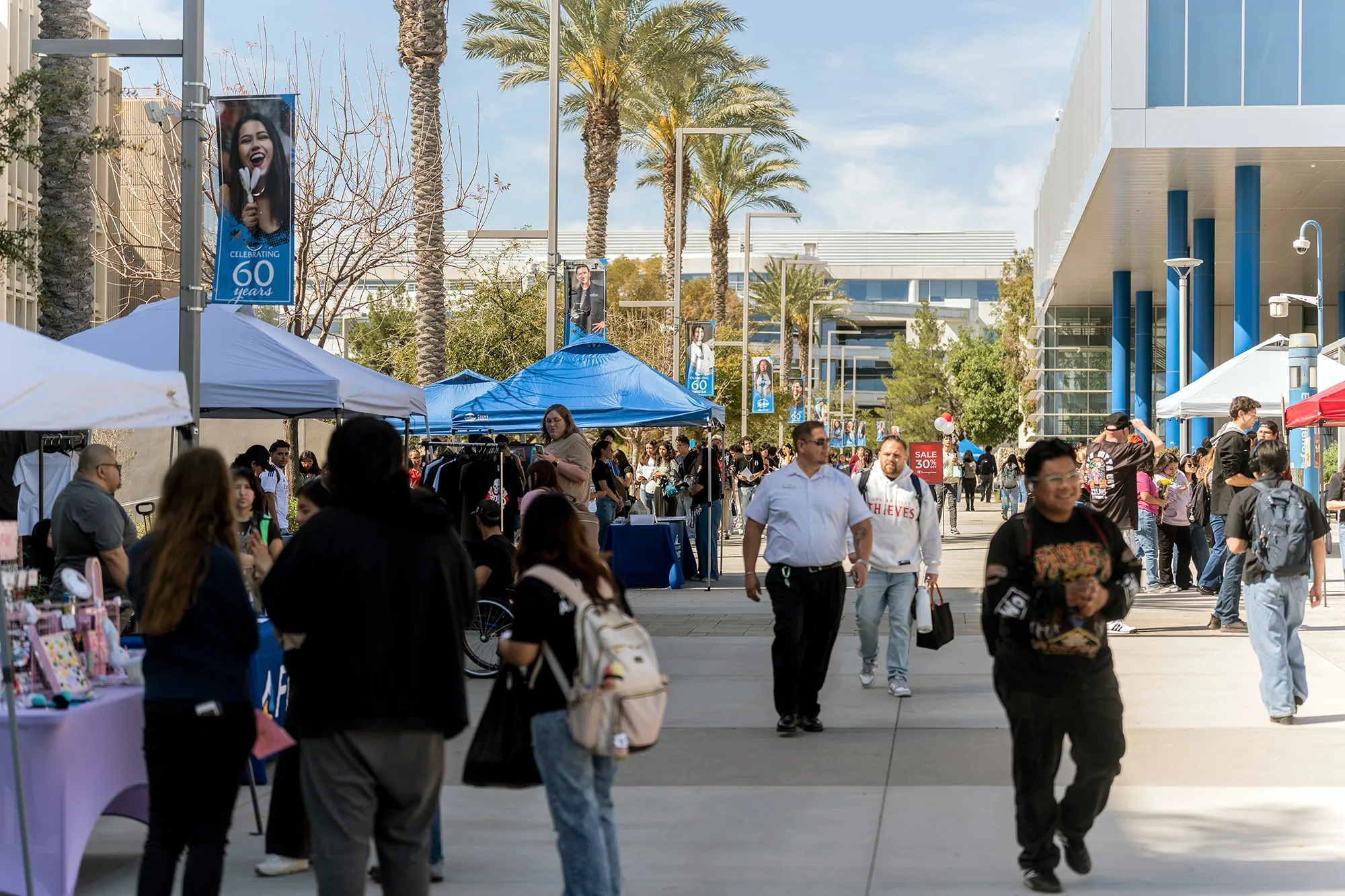
Despite months of student protests, online petitions, classroom discussions, and even formal objections from faculty governance groups, California State University, San Bernardino has quietly approved a substantial increase in Instructionally Related Activities (IRA) fees, raising the annual fee from around $199 to $500 beginning in the fall semester.
The new fees, which add $301 per academic year, and are mandatory for students, started appearing in late May as Fall 2026 charges began posting. Unlike previous fee increases, this increase was approved through an Alternative Consultation process rather than a campuswide student referendum, a decision that became the central focus of discussion and debate throughout the university.
Many of the students shared that the controversy wasn’t so much about the fee increasing, but the broader issues of transparency, shared governance, and who has the final say when mandatory student fees go up.
The IRA fee supports a variety of campus programs including student organizations, academic competitions, performing arts, campus recreation, and athletic programs. The athletic programs will receive the lion’s share of the increase. University officials maintain that the increase is vital to sustain and expand those programs due to rising operational costs.
The proposal initially gained widespread attention in late April after students received an announcement on their Canvas dashboards inviting them to participate in what was described as a “consultation survey” regarding the student fees. Student organizers argued that the survey only dealt with how the funds should be allocated, but didn’t ask if the students wanted the additional cost or if they supported the 150% increase in the fee. Those concerns were addressed in an earlier Coyote Chronicle investigation published before the consultation period ended.
 Monika Discord User
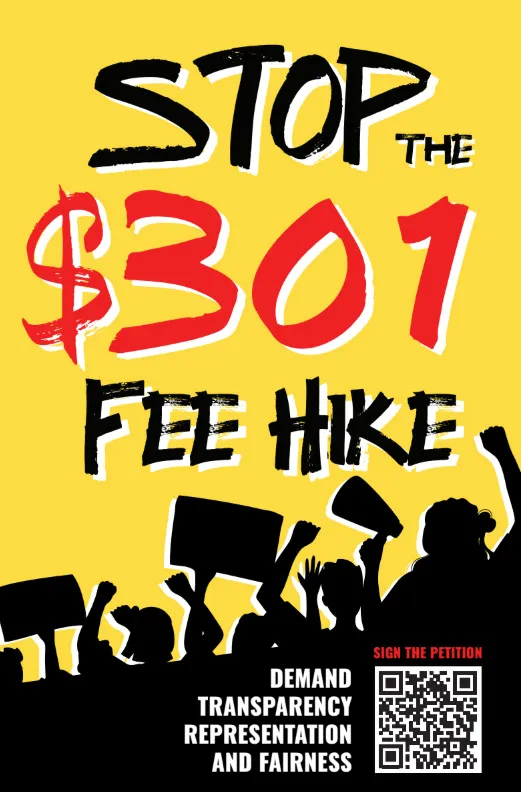
As awareness of the potential increase spread across the campus, students organized demonstrations, canvassed the campus with flyers, launched a change.org petition, and created a student-run Discord server where students could organize, share information, and create assets for their campaign. The goal of all of this was to convince the students on campus to not only complete the survey, but to make their views of the proposal known publicly. Protest materials created urged students to demand greater transparency, a campuswide referendum, and more detailed explanations of how this additional revenue would be used.
In a time where issues flash up, rage for a minute, and then die off just as quick, the proposed fee increase continued to spark conversations, throughout the remainder of the spring semester, in and out of the classroom. Faculty members across multiple departments facilitated discussions of the proposal with their classes, encouraging students to understand the process, and what the financial implications would be on their tuition costs.
As a predominantly commuter campus, many students have to balance coursework with employment, family responsibilities, and other off-campus concerns. This makes sustained organized activism a unique challenge. Student organizers, nevertheless, argued that awareness of the proposal, and the student’s opposition to it, had become widespread long before the university reached its final decision.
Opposition also emerged from the university’s governance structure. On May 5, the CSUSB Faculty Senate approved a formal resolution opposing the proposed fee increase through Alternative Consultation, arguing that the students should instead be able to vote through a campus referendum. The resolution also called for greater transparency regarding IRA fund allocations and referenced concerns raised by a 2024 CSU audit of the university athletic departments management of their funds.
Financial oversight became an increasingly predominant part of the conversation as the 2024 audit, conducted by the CSU Chancellor’s Office, concluded that operational, administrative, and financial controls within CSUSB’s athletic department were unable to show assurances that risks were being managed effectively. Auditors found that budgets had not been properly prepared since 2018 and documented deficiencies regarding expenditures, procurement, travel, contracts, equipment management, and the handling of petty cash. The university did not dispute any of the audit findings and accepted the recommendations and corrective actions. Review the complete Audit here.
Students pointed to these findings and questioned whether additional mandatory student fees should be approved before the financial concerns of mismanagement had been appropriately addressed. Students also pointed out that they should not have to bear the brunt of digging out of the financial hole this mismanagement caused. Official university financial planning documents also project ongoing significant deficits with the IRA fund while outlining cost-saving measures and long-term financial planning efforts related to the athletics and other university operating expenses. Review the complete Financial Plan here.
As the consultation process concluded, student organizers submitted petitions, open letters, and additional appeals to President Tomás Morales to reject the proposal and instead require a direct student referendum before approving any increase. One letter argued that students had not been given appropriate time or information to make informed decisions about the increase. It also expressed concern that the Alternative Consultation process did not reflect student opinion on the increase. You can read that letter here.
Ultimately under the CSU policy governing Category II student fees, campus presidents retain final authority to approve fee adjustments following a student referendum, or Alternative Consultation process. In this case, President Morales approved the increase before his scheduled departure from the university without even addressing student concerns, despite the months of organized opposition from students, faculty, and governance groups.
 cfa_united Instagram
While the fee increase has been approved, the broader conversation surrounding transparency, shared governance, and campus financial priorities is likely to continue. The CSU Board of Trustees is scheduled to meet on July 21 and 22 in Long Beach, where trustees are expected to announce CSUSB’s next president that will succeed Morales. The meeting will also give the public the opportunity to speak for public comments. The California Faculty Association is encouraging faculty, staff, and students from all over the CSU system to attend and speak out on the issues affecting our campuses. The presidential transition comes as many members of the CSUSB community continue to debate the process, and the financial mismanagement that led to one of the largest mandatory student fee increases in recent history.
Coyote Chronicle will continue following developments from the CSU Board of Trustees meeting, including the selection of CSUSB's next president and any discussion related to student fees, university governance, or the future direction of the campus.